
ESCAPE TO AYUTTHAYA
July 29, 2019
Posted by: Hotels G
“Similar in size and importance to Paris,” says Dr. Timothy Curtis of UNESCO about Ayutthaya, which surprises us at Pullman Bangkok Hotel G. He is however referring to that Thai royal capital’s stature way back at the end of the 16th century.
Curious about this island at the confluence of the Chao Phraya, Pa Sak and Lopburi Rivers, we decide to make the two hour nautical journey north up the Chao Praya ‘River of Kings’ from Bangkok and back in time, past the shimmering magnificence of Bangkok’s Grand Palace and stark beauty of Wat Arun, the temple of the dawn, as gleaming skyscrapers give way to luxuriant mangroves and stilted wood houses above the muddy river.

This pastoral setting belies the grandeur that was Ayutthaya back when its geographic position between China, India and the Malay Archipelago made this an important hub for East-West trade. Ambassadors from the French Court at Versailles and the Mughal Court in Delhi made their way to Ayutthaya’s three palaces and four hundred gilded temples. Thirty-three kings from five dynasties held court from Ayutthaya between the 14th to the 18th century, before defeat by the invading Burmese Army in 1767, a date that still evokes emotions among patriotic Thais.

A word of warning about what to expect at this sleepy time warp comes from Dr. Christophe Pottier, the Director of the Ecole Francaise d’Extreme-Orient Centre Bangkok: “What people can see now is only the scale of the once vast city” yet even in the archaeological ruins, artful clues speak to that rich past, a smattering of mural paintings depicting Ayutthaya court life and at the 14th century Khmer influenced Wat Mahathat, a serene stone Buddha head cossetted by the roots of a holy Bodhi tree.

รับฟีดข่าวสารของคุณ


SAN FRANCISCO: SEE & DO
July 26, 2017
Posted by: Hotels G
Location is not everything at Hotel G San Francisco! Beyond our bodacious beds, this Union Square perch does convenience and cool in equal measure. We’re just minutes from everything new to see and do.
Rare, architecturally significant industrial buildings and homes dating as far back as the late 1860s are sprinkled around Dogpatch, a once gritty neighborhood populated by shipyard workers until its stylish resurrection around the turn of our current century. Especially impressive, the hundred year old cannery revitalized as the American Industrial Center stretches along 3rd Street from 20th to 23rd Street, and houses not only our favorite S.F. chocolatier Nosh This but also the kaleidoscopic climbing wall at Dogpatch Boulders to work off that decadent Bacon Crack. Elsewhere in this behemoth, the Museum of Craft and Design is free the first Tuesday of every month. We keep art smart by continuing on to the three warehouses revived nearby as Minnesota Street Project, with its 35,000 square feet of gallery space. The contemporary art and home design is good to go at Workshop Residence. A recent arrival housed in an Instagram-ready industrial space, Smokestack has already endeared itself as a one-of-a-kind micro-beer-pub meets BBQ joint cum whiskey bar. Do not, and we really mean this, leave Dogpatch without queuing up at Mr. and Mrs. Miscellaneous where two former pastry chefs whip up unexpected licks like black sesame, burnt sugar and sloe gin made with real gin, fresh berries and lemon zest.


On the other side of ritzy Potrero Hill, the Mission District houses some of this city’s most contemporary and exciting street art within its oldest neighborhood. A veritable urban gallery of effervescent, ever-changing murals festooned on countless walls and fences, the Mission should be viewed on foot. Everything we at G know about San Fran street art in the Mission and beyond we owe to the long-time experts at the inner-city non-profit Precita Eyes which offers self-guided and guided tours of the Mission’s most wonderful walls. Rev up for the art trek or wind down after at Trick Dog, a cocktail mecca that supports mural artistry around the city. We say keep an eye out for the smile-inducing cartoonish works of Simon Norris whose three garage doors at 20th Street and Dolores are worth seeking out. Murals first appeared in the Mission on Balmy Alley as political protests in the 1980s and the narrow strip has evolved into S.F.’s most concentrated assortment of murals. One mile north and just off Mission Street, the grassroots community-based Clarion Alley Mural Project shows off the fruits of its 25-year long collective effort to give visual voice to this city’s social consciousness.


รับฟีดข่าวสารของคุณ
LOCAVORE STYLE
June 22, 2017
Posted by: Hotels G
There was a time, not so long ago, clothing stamped “Made in” any Asian country save Japan meant it inferior, fall-apart-quickly quality. Asia is still associated with some forms of mass production yet a new generation of internationally trained and globally aware designers is emerging across the region. As we all strive to eat more locavore, why not shop that way too?
A recently launched collection of one-of-a-kind sweaters plus scarves and hats, Knotti Knits are handmade in Hong Kong of biodegradable wool yarn under the design guidance of Denise Ho, this city’s top stylist. Best friends Hilary Tsui Ho-ying and Dorothy Hui keep the inventory of their three Liger boutiques staunchly independent by actively supporting local talent on the cusp like Jourden and Johanna Ho. To shop more of Hong Kong’s nascent design talents, try PMQ. The colonial Police Married Quarters originally built in 1951 is now home to Ivan Keung’s octopus tentacles and broccoli crowns sculpted as silver jewelry at 794729metalwork.com and Blksheepempire for their not-so sensible women’s flats.

Carolyn Kan worked in advertising before taking up silversmithing on an Italian holiday, and one year later won a Singapore jewelry designer of the year award for her lighthearted gold and silver pieces. See how she turns humble objects like a safety pin into bling things at the Carrie K. Atelier inside the National Design Centre. Easy to wear, loose-fitting pieces for men and women at In Good Company are made for Singapore’s tropical context yet light as a feather, they are good to go anywhere. Max.Tan takes the notion of “straight-laced Singapore” far out of the box with his well priced, catwalk ready frocks.

BANGKOK
Any young fashionista in the Thai capital knows Disaya ready-to-wear by Central Saint Martin’s grad Disaya Sorakraikitikul. Her frilly blouses and flirty dresses are favorites of international celebrities like Jennifer Lopez and Kelly Osborne. Designers at Something Boudoir think of their outrageously playful creations as “wearable candy” and understandably so with its stylishly dizzy prints and amusing accessories. Two long-time Thailand residents, sisters Anthea and Xenia Viragh are millennials cool enough to work with their mother on Vitalexi, a newly launched line of urbanized espadrilles. Especially popular are the unisex velvet versions, named for popular Thai destinations like Pattaya and Yaowarat.


Born in Myanmar and raised in the United States, men and women’s knitwear designer Steven Oo dresses the likes of Taylor Swift and still found time to open a shop in Yangon soon after the embargo was lifted. While the country is still in its fashion infancy, ones to watch include Vestige, an ethically made-in-Myanmar lifestyle brand helmed by a Parisian designer and the quirky accessories from Yangoods which draws chic inspiration from everyday life in Myanmar.


รับฟีดข่าวสารของคุณ
GULLA GOES HOME
April 19, 2017
Posted by: Hotels G
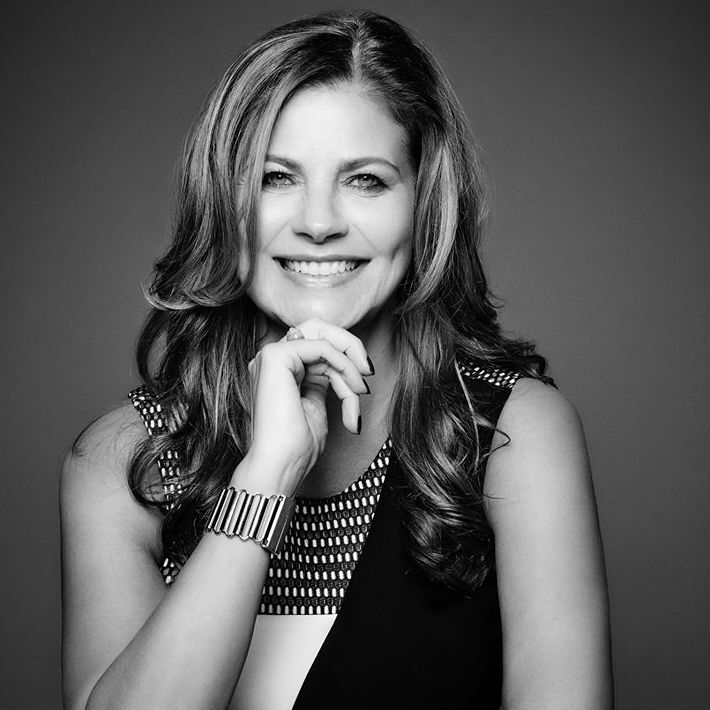
Here at G we plan to usher in spring by surrounding ourselves in the most luxuriant greenery, all the way up to the ceiling! Our latest and most luscious creation, The Roosevelt Macau, features the nature-infused interior design of Icelandic architect Gulla Jónsdóttir whose finishing touches include double height walls which culminate in a dramatic sky garden overhead. From the stylised trees in the VVIP Tropicana Suite to the shapely doorknobs on every one of the 368 guestrooms, Macau’s first genuine urban resort pays photogenic homage the curvilinear topography, jagged lava rock landscapes and frozen fjords of Jónsdóttir’s homeland.
Inspiration comes to the Los Angeles-based architect whenever she returns to this country where snow-covered mountains unfurl onto black sand beaches. This time, we join her in Reykjavik, Iceland’s capital which is definitely having a moment. She has returned to launch GAIA by Gulla, a collection of silk scarves adapted from her celebrated interiors across three continents.

These ten wearable works of art are taking up temporary residence with an exhibition at the Asmundarsalur Museum. The modernist masterpiece built in 1934 is located just down the street from the soaring Hallgrímskirkja Church, Reykjavik’s most prominent landmark which like Jónsdóttir’s work took cues from shapes in nature.

Going home means revisiting her favourite places like Blue Lagoon where, just forty minutes from the city centre, lava fields meet hot springs known for their healing white mud. “My friends and I wait for night-time, to feel the warm water under a dark sky,” reveals Jónsdóttir about her hometown rituals. “I love that nothing here is manmade, except the Champagne.”

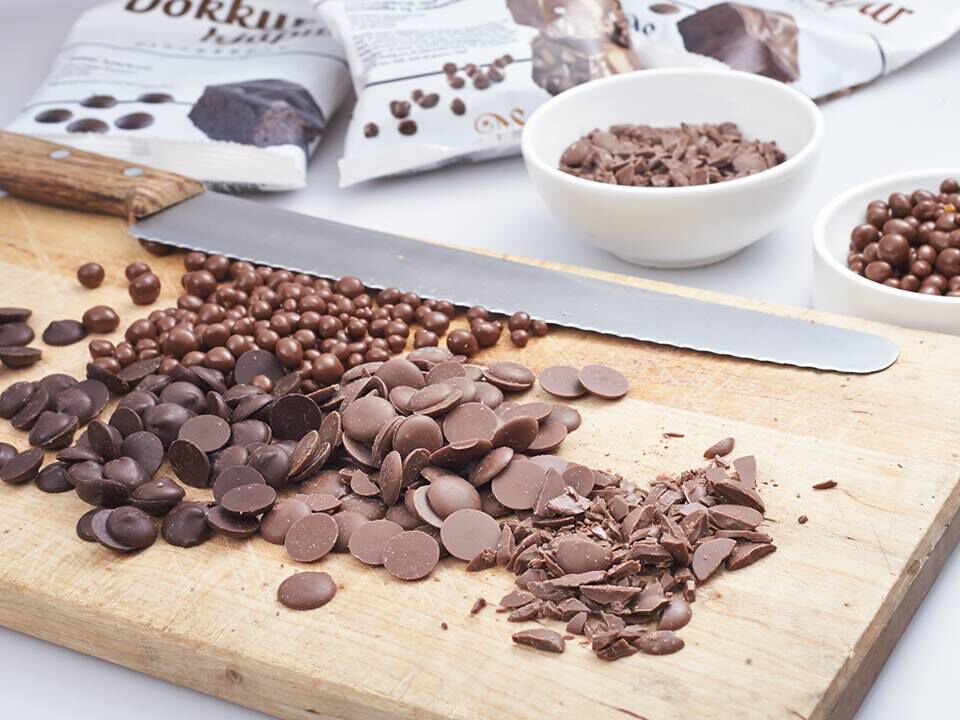
Reaching even further back, to her childhood, Jónsdóttir recommends tasting the hearty homemade bread at the family owned Sandholt Bakery which first opened in 1920 and sits along Laugavegur, now Reykjavik’s most popular shopping street. Icelanders also love their candy, especially liquorice. “As kids we drank Coca-Cola out of liquorice sticks,” she recalls. “Even now, candy is the aspect of Iceland I can carry everywhere with me, usually in the form of chocolate.“ Design minded travellers like us pick up Opal liquorice pastilles by Nói Síríus, which come in the original Pop Art packages created in 1945 by Icelandic painter Atli Már Árnason.
Icelanders do not survive on sugar of course. Jónsdóttir’s friends gather whenever she visits, usually at Snaps Bistro a convivial gastro-pub known for their beef cheeks with Jerusalem artichokes and pickled onions. Jónsdóttir also suggests saving room for the crème brûlée. Another night at Fiskfelagid, Jónsdóttir orders several rounds of the Nordic-Japanese sushi to everyone’s delight.

Something of an Iceland design ambassador abroad, the statuesque architect peruses the feminine frocks emblazoned with fantastical prints at Hildur Yeoman, a favourite of Bjork’s long-time stylist Edda Gudmundsdottir. On Jónsdóttir’s wish list are whimsical knits from Steinunn Sigurdardóttir, who spent years working with Calvin Klein, Ralph Lauren and Tom Ford at Gucci before returning home to open her eponymous boutique inside a converted warehouse in the old harbour area known as Grandagarður. While Jónsdóttir slips into something chic, small fishing boats sail in with the day’s fresh catch.

รับฟีดข่าวสารของคุณ
A TALE OF TWO CITIES (OF ANGELS)
March 24, 2017
Posted by: Hotels G
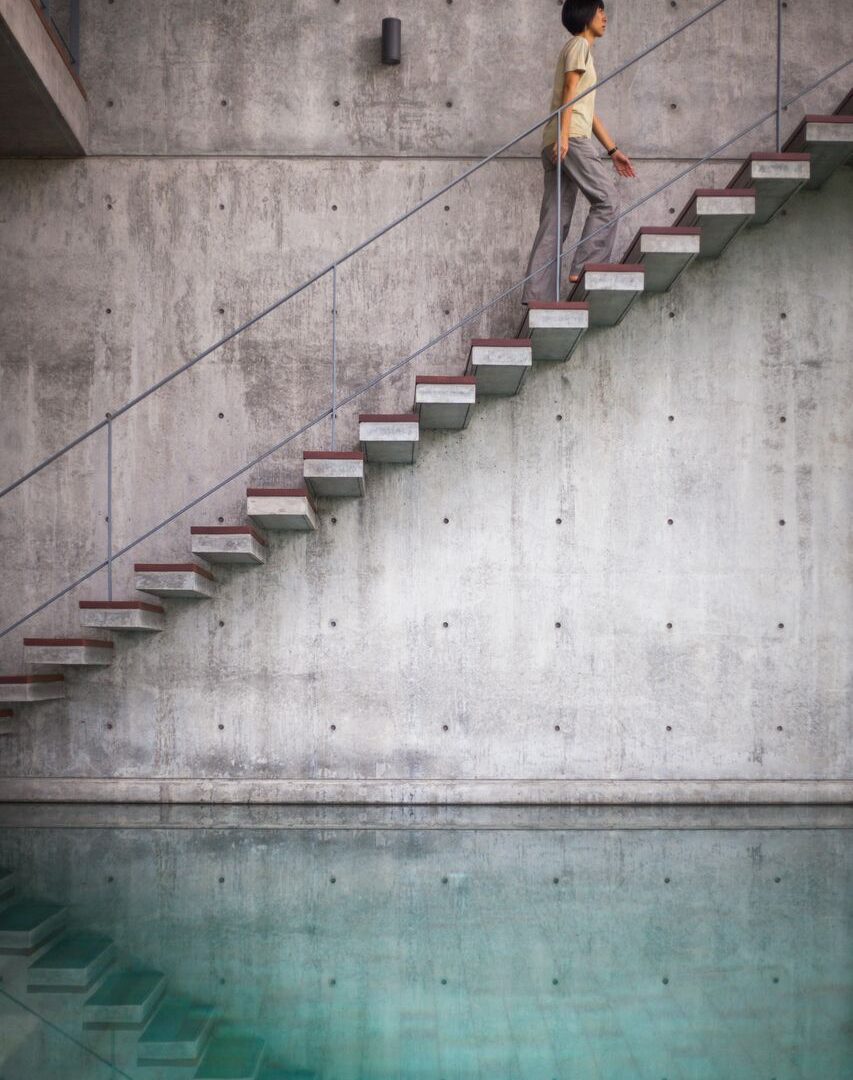
Cultural backwater no more, Los Angeles has transformed itself, particularly over the last decade, into a serious competitor to New York City as America’s most dynamic arts capital. One name has become synonymous with this stunning metamorphosis. Bangkok born architect Kulapat Yantrasast currently has contemporary art spaces underway all around L.A. We at G first spotted this Thai’s considerable talents at the cool private houses he designed in Phuket and along the River Ping in Chiang Mai. But how did this architect from one ‘City of Angels’ end up the go-to designer for the other?
Before launching his design practice wHY in 2004, Yantrasast worked seven years for Tadao Ando on high profile projects like the Fondation Francois Pinault pour l’Art Contemporain in Paris and the Modern Art Museum of Fort Worth. Yantrasast credits the Pritzker Prize–winning Japanese architect with teaching him the value in collaborating. In contrast to the stereotype of the celebrated architect complaining that his genius ideas get watered down through compromise and clients, this one says emphatically, “the cross-pollination of people and ideas is so crazy exciting to me.”

Yantrasast’s popularity with art world clients also speaks to his appreciation for creative outliers. “I am drawn to unusual people,” observes Yantrasast, “people with uncommon ideas, challenging thoughts.” He sees museums and gallery spaces as something more dynamic than a series of walls. From wHY’s first completed project, the LEED gold certified Grand Rapids Art Museum, Yantrasast has built environments which encourage lingering and interacting with the built environment as part of the art experience.

California’s City of Angels has already seen Yantrasast create exhibitions and interiors for the Los Angeles County Museum of Art and California Institute of the Arts. This year his team will complete at least five projects across the sprawling metropolis including the Institute of Contemporary Art Los Angeles in the cultural hotbed of Downtown L.A., the Decoding Asian Urbanism exhibition at L.A.’s Architecture + Design Museum, which explores urban innovations transforming Asia’s booming cities, an as yet unannounced downtown private social club for the arts and the US West Coast flagship of Christie’s auction house in Beverly Hills, a 5,400-square-foot, two-storey space with an undulating curtain of pearlescent white aluminium.

The most the hotly anticipated project for this soon-to-be ‘starchitect’ must be the Maurice and Paul Marciano Art Foundation. Historic by L.A. standards, the windowless 1961 Scottish Rite Masonic Temple along Wilshire Boulevard near the suddenly hip Koreatown provides Yantrasast with the opportunity, “to foster a synergy between the historic building, contemporary art and the urban environment.” We eagerly await the late spring opening of this new cultural foundation from the co-founders of Guess Jeans. The 100,000 square foot heritage building has been entirely reconceived by Yantrasat to display the Marcianos’ collection of 1,500 contemporary art works including painting, sculpture and photography. Along with works by established artists like Takashi Murakami and Mike Kelley, we eagerly await the chance to admire works from up-and-coming artists like Oscar Tuazon and Danh Vō whose recent emergence in the contemporary art world reflects Yantrasast’s own spectacular rise.

รับฟีดข่าวสารของคุณ
BEIJING BY CHEN MAN
February 17, 2017
Posted by: Hotels G
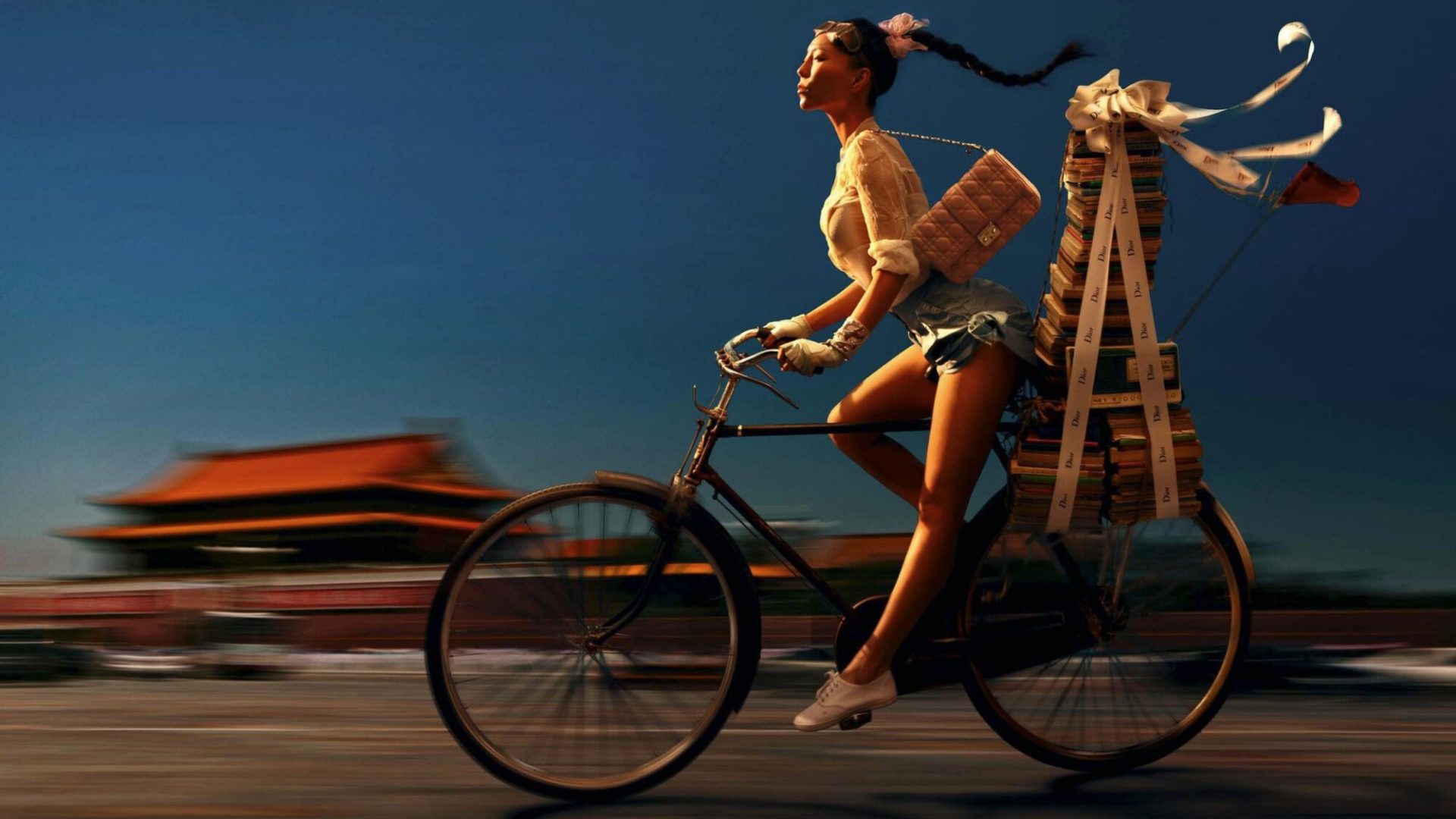
“Transience helps people appreciate what is classic,” observes Beijing-born fashion photographer Chen Man whose unapologetically contemporary work has graced the covers of Vogue, Harpers Bazaar, Madame Figaro, Wallpaper and i-D across three continents. The stunning 37 year-old spends around one-third of her time on airplanes, is raising her two children in California, shoots haute couture in European fashion capitals and says she “regards the earth as my home, and also the galaxy.” Yet this sophisticated globetrotter also retains a special place in her heart for Beijing’s traditional treasures.
“I woke up hearing swallows and I slept to the sound of aunties playing mah-jong,” recalls this product of China’s One Child Policy, born in 1980 and raised in a siheyuan traditional courtyard house along the narrow hutong lanes of Dashilar, a neighbourhood three miles south of Tiananmen Square. “Life was spent meandering the hutongs, seeing and speaking to everyone. Now so much of that is lost, as people drive everywhere and human interaction is so little.”

Amidst Beijing’s dramatic changes, Chen appreciates the pockets of old Beijing which remain. She considers Ritan Park (6 Ritan North Road, Chaoyang District) “a walk back in time,” for its crimson lacquered pavilions and the older locals who gather here for tai chi and ballroom dancing. “You still hear the sound of mah-jong here.”
While many of Beijing’s hutong have disappeared, Chen recommends heading to Wudaoying Hutong near Beijing’s Lama Temple, for modern, vegetarian renditions of Chinese classics, like sweet-and-sour mushrooms at King’s Joy (2 Wudaoying Hutong). “The setting is over-the-top with a misty moat encircling the dining room but the produce is organic and locavore.”
Her other Beijing dining haunts also hark back while looking ahead. The Home is a sleek 12-seat restaurant a light-filled courtyard near the Drum and Bell Towers. Chef-owner Yang Zhanwen prepares innovative Chinese dishes like the stewed puffer fish and mala lobster which Chen swears by. In a courtyard dwelling near the National Art Museum of China similar to the one where Chen grew up, Susu serves rustic Vietnamese dishes like clay pots rice bowls and pho.

Chen’s highly digitized photography, often mistaken for graphic art, has captured and chronicled China’s cultural transformation, as well as challenged traditional notions of beauty. Though she has shot Rihanna, Nicole Kidman, and Fan Bingbing, China’s biggest female box-office draw, Chen also incorporates Tibetans and other ethnic minorities in her spreads for Chinese fashion magazines. “There is no absolute beauty or ugliness,” says Chen who regularly shoots Lu Yan, known as “the ugliest model in China”. Lu has leveraged her international modelling career to launch a clothing line. Chen was an early fan, purchasing Comme Moi’s bold statement coats at Dongliang, a tightly curated, multi-brand Beijing emporium focused exclusively on Chinese designers.

Though her hometown has changed irrevocably, Chen appreciates the creative ways Beijingers have given new life to these vestiges of old. One of her after dark favourites is Yugong Yishan, a 19th century Chinese warlord’s house turned live music venue where Chen met her husband. “Its still one of the best places in town,” she says, “to hear Beijing’s burgeoning indie musicians like Subs and SMZB.”

รับฟีดข่าวสารของคุณ